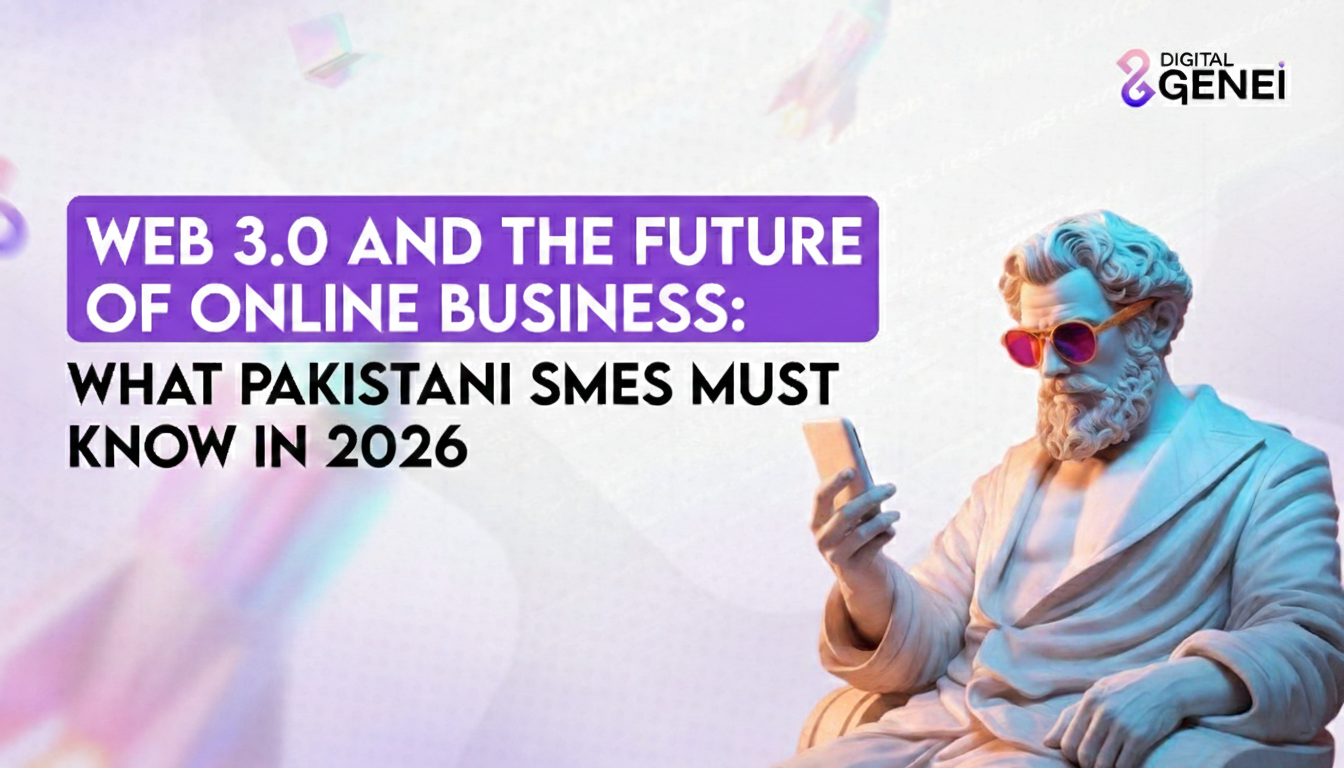
The internet as we know it is evolving, and it’s not just a minor update – it’s a fundamental shift. We’re moving from Web 2.0, characterized by centralized platforms and user-generated content, into the exciting, decentralized, and intelligent world of Web 3.0. For Pakistani Small and Medium-sized Enterprises (SMEs), understanding and adapting to this transition isn’t just an option; it’s a necessity for future success.
In 2026, the foundational elements of Web 3.0 will be more integrated into daily online interactions than ever before. This presents both challenges and unparalleled opportunities.
What is Web 3.0 and Why Does it Matter?
At its core, Web 3.0 is about decentralization, openness, and greater user control. It leverages technologies like blockchain, artificial intelligence (AI), and machine learning to create a more intelligent, interconnected, and permissionless internet.
Here’s a quick breakdown of the key differences:
| Feature | Web 1.0 (Read-Only) | Web 2.0 (Read-Write) | Web 3.0 (Read-Write-Own) |
| Era | 1990s – Early 2000s | Early 2000s – Present | Present – Future |
| Core Concept | Static websites, information portals | Social media, user-generated content, centralized platforms | Decentralized, AI-driven, semantic web, blockchain |
| User Role | Consumer | Contributor | Owner, participant |
| Data Control | Server-controlled | Platform-controlled | User-controlled |
| Key Tech | HTML, HTTP | JavaScript, CSS, APIs | Blockchain, AI, NFTs, DAOs |
| Monetization | Advertising, subscriptions | Advertising, data selling | Tokenomics, creator economy |
The Pillars of Web 3.0 for Pakistani SMEs
For Pakistani businesses, several aspects of Web 3.0 will be particularly impactful by 2026:
1. Blockchain and Decentralization
This is the backbone of Web 3.0. For SMEs, blockchain can bring:
- Enhanced Security: Secure transactions, immutable records, and transparent supply chains.
- Reduced Costs: Eliminating intermediaries in various processes, from payments to logistics.
- New Funding Models: Access to decentralized finance (DeFi) and tokenization for raising capital.
2. NFTs and Digital Ownership
Non-Fungible Tokens (NFTs) are unique digital assets.
- Brand Loyalty & Engagement: SMEs can create NFTs for exclusive access, loyalty programs, or unique digital collectibles related to their brand.
- New Revenue Streams: Selling digital art, in-game assets, or tokenized real-world assets.
- Authenticity: Verifying the authenticity of products or services.
3. AI and Semantic Web
Web 3.0 will understand data contextually, leading to:
- Personalized Experiences: AI will deliver hyper-personalized content, product recommendations, and customer service.
- Smarter Search: Customers will find your products and services more easily through intelligent search engines that understand intent, not just keywords.
- Automated Insights: AI can process vast amounts of data to provide actionable insights for business strategy.
4. The Metaverse and Immersive Experiences
While still nascent, the metaverse – a persistent, interconnected virtual world – will offer new frontiers:
- Virtual Showrooms: SMEs can create virtual storefronts or experiences in the metaverse.
- Remote Collaboration: New ways for teams to work together globally.
- Marketing & Advertising: Innovative ways to reach customers in virtual spaces.
Opportunities for Pakistani SMEs in 2026
- Global Reach & Trust: Blockchain-based systems can foster trust with international clients, opening new markets for Pakistani products and services.
- Direct-to-Consumer Models: NFTs and tokenization allow for stronger, more direct relationships with customers, bypassing traditional marketplaces and social media giants.
- Efficiency Gains: Automating processes through smart contracts can significantly reduce operational overheads.
- Innovation & Competitive Edge: Early adopters will gain a significant advantage, establishing themselves as forward-thinking leaders in their respective industries.
Challenges to Consider
- Technological Literacy: A significant gap in understanding Web 3.0 technologies exists. Education and training will be crucial.
- High Entry Barriers: Developing Web 3.0 solutions can be complex and expensive initially.
- Regulatory Uncertainty: The legal and regulatory landscape for blockchain, crypto, and NFTs is still evolving in many countries, including Pakistan.
- Security Risks: While blockchain is secure, smart contract vulnerabilities and user education around wallet security remain critical concerns.
Getting Ready: A Roadmap for Pakistani SMEs
By 2026, waiting won’t be an option. Here’s how Pakistani SMEs can prepare:
- Educate Your Team: Start learning about blockchain, NFTs, AI, and the metaverse now.
- Identify Use Cases: Brainstorm how these technologies can solve specific problems or create new value for your business. Could you use NFTs for customer loyalty? Blockchain for supply chain transparency?
- Start Small: Experiment with pilot projects. Don’t go all-in immediately.
- Partner Strategically: Collaborate with Web 3.0 experts, developers, or even other SMEs to share knowledge and resources.
- Stay Informed: The Web 3.0 space is rapidly changing. Keep abreast of new developments, tools, and regulations.